

Pune
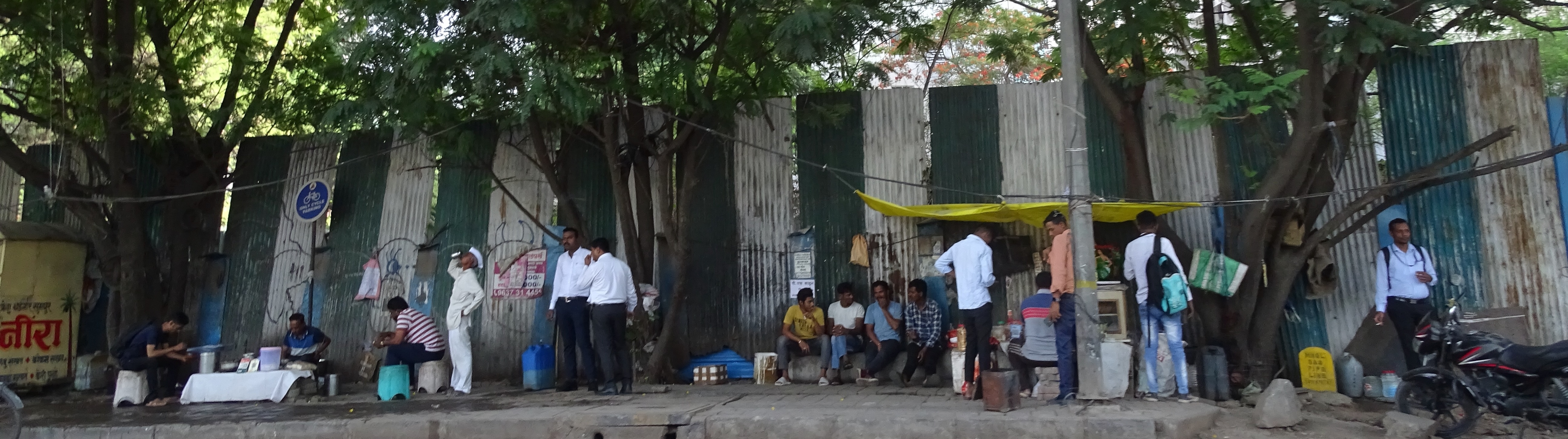
Krisna had many contacts around that part of the city. He took me to the office of a small transport company which could arrange a driver to take me to Pune for a reasonable price. I had dreamed of traversing India by train but it was not so easy. The railway station was at least an hour away, and reservations had to be made. Trains were booked out weeks and months ahead and there was also local knowledge needed because all was not as it seemed. Scalpers booked train seats and sold them on the black market. Where and how they were sold I didn’t know. Probably online on unintelligible Indian sites crammed with scammers, clickbait and spyware.
A taxi would be convenient, safe, and not that expensive; a tenth of what it would cost in Australia. There might be some opportunities for photos on the way but cab drivers don’t like detours or delays, as a rule. They want to get onto the next job as soon as possible. I had all my stuff in the hotel lobby waiting nervously for the car but the staff were reassuring. They seemed to know the company and they were relaxed about it and sure enough it was there on time. Krisna had come through for me and I was sad to say goodbye to him.
The highway to Pune had improved immensely since I had first travelled it in the eighties. We travelled at a decent speed and there were no bullocks, cows, dogs or people on the road. It was a proper highway. No more rows of Tata trucks, belching black diesel smoke with overheating clutches and whining gears, breaking down on steep corners and causing all night traffic jams. As we climbed the green rolling hills in the monsoonal haze the temperature dropped a little and the manic overcrowding of Mumbai was left behind.
We stopped half-way at a food hall where I managed to get some good coffee and smoke a few cigarettes. I had a coffee for the driver but he had disappeared into the crowd so I drank his too. The heat was almost bearable, standing under a small tree in the huge car park, but not for too long. I was relieved when we were on our way again in the clean, dry, air-conditioned cabin.

Arriving at my destination was not to be straightforward. The was a religious festival on that day in the very area to which we were heading and as we drew near it was clear we were stuck. We parked off the road as thousands of pilgrims pushed past and noisy traffic choked the roads. My driver made some calls and arranged for a local driver to take me on for another hour to get around the congestion. Finally we found the apartment block I had booked online. My driver rang the owner on a number I gave him for final instructions and I found my way in, negotiating suitcases and guitars in the narrow lift, following vague instructions concerning a key-lock pin number and finally I got into a basic but serviceable concrete shelter with enough amenities to get me by for a little while.
There was a vegetarian restaurant downstairs and a row of stores with all the necessities of life but few people spoke English. I was an exotic specimen for them and they derived some amusement from my clumsiness and unfamiliarity with the new Pune.
Koregaon Park, which contained the Shree Rajneesh Ashram, had changed immensely. The urban sprawl had caught up with and swallowed it and I had trouble finding my way around the streets I had lived on forty-five years before. I walked for miles trying to find the Ashram from memory before I turned up a back road in which a powerful ambience of spacious silence emanated from huge trees behind high closed walls and I knew I was in the vicinity of the Ashram.

I couldn’t find an entrance with one main road closed off and I circumnavigated the whole area before I came across a sign hand-painted on a wall pointing the way. Someone had decided to help the poor disciples who came for a last glimpse of their spiritual home. The present administration of the Ashram didn’t seem to care about such niceties. Perhaps they were preoccupied with the court cases which threatened to take the property from them and turn it over to a Government trust which would preserve it for posterity.
I was disappointed, but I had been greatly encouraged that the old energy was still there in the trees, despite whatever else went on around it. One day, when no living person any longer had a claim on it, the Ashram would become a public monument to Osho, the modern Buddha who lit up this suburb and the world, creating modern meditations for the present age and endless entertaaining controversies.
An old friend, an Indian lady called Laksmi, about the same age as me, was still there running a small business catering to visitors and I sat with her several times catching up on recent news and getting a sense of what was happening behind those walls which I had no ambition to pass.

Laksmi was philosophical. She had been there forever. She grew up on that street and it provided for her, as Osho provided for so many and still does. There are shoemakers today in Pune who make a living selling the luxurious sandals Osho designed for himself which Laksmi was selling. He designed his clothes, his chair and his meditation hall. He was unique and original. Discourses in the morning at 8 am sharp were fresh and exciting every morning. Every topic revealed an original mind, finding insight in the mundane, the profane and the sacred, and the dry humour of a hard worker who had committed to seven years of speaking four hours in public per day, every day, rain or shine, in health or illness on top of running an Ashram and annoying powerful politicians whenever possible. He was one of the great characters and it was a magnificent experience travelling with him for a while.
I began making trips to the railway station to book the train to Patna. I knew it would take time so I was prepared to make gradual progress, finding out a little each more time. I was resolved to be patient and methodical. I was reading up online and exploring a few different apps which claimed to be able to make bookings in that most Kafkaesque of organisations; the Indian Railways.
It was the start of the monsoon, I was not yet acclimatised, having come from a cold place high on the New England Tablelands in northern New South Wales. It would take more than one season to adjust. The intense heat and humidity made everything difficult. Thinking clearly at Pune Railway Station was impossible. Staff were complacent, fully aware that they had the comfortable chairs, cooled by electric fans, while the masses lined up outside with no relief from the heat. They spoke softly, refusing to raise their voices in the unceasing din. Some even had microphones but still they were hard to hear from outside the tiny windows where one had to stoop to access the speaking-hole in the glass. The official railways app was useless because it didn’t take my credit card and it required an Indian phone number which I didn’t have. It had become difficult to get an Indian number since an earlier tourist sim card deal had led to corruption and the government had reversed its policies. There were forms, in tiny print on small slips of paper, to be filled out with obscure details – it was all too much.
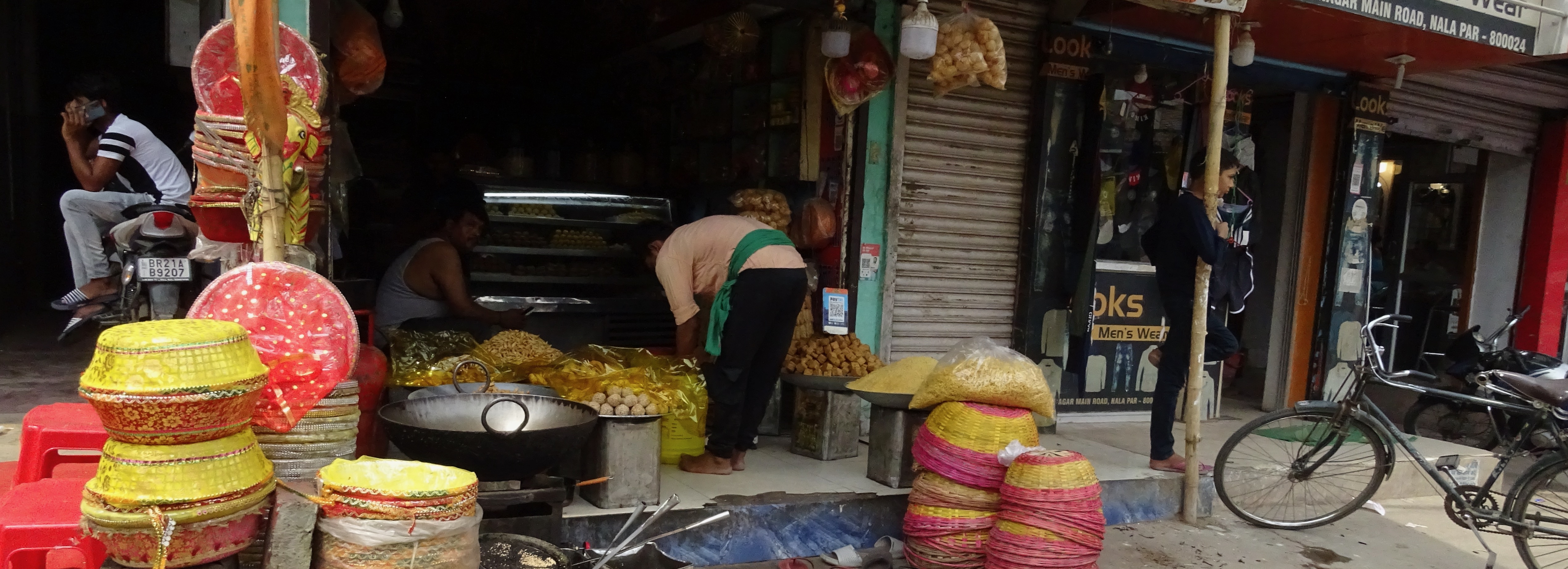
On the day I had prepared to leave I packed all my gear and tried one more time at the station to get a confirmed seat but it was too late. I did search for an office in an adjacent building where a quota of tickets had apparently been put aside for foreign tourists but again there was a long wait and a multitude of other customers. I decided to get a taxi to the airport and try for the next plane to Patna, the last big city before the Nepali border. With luck there would be something available that day.
 Travels to Nepal