

The Real India
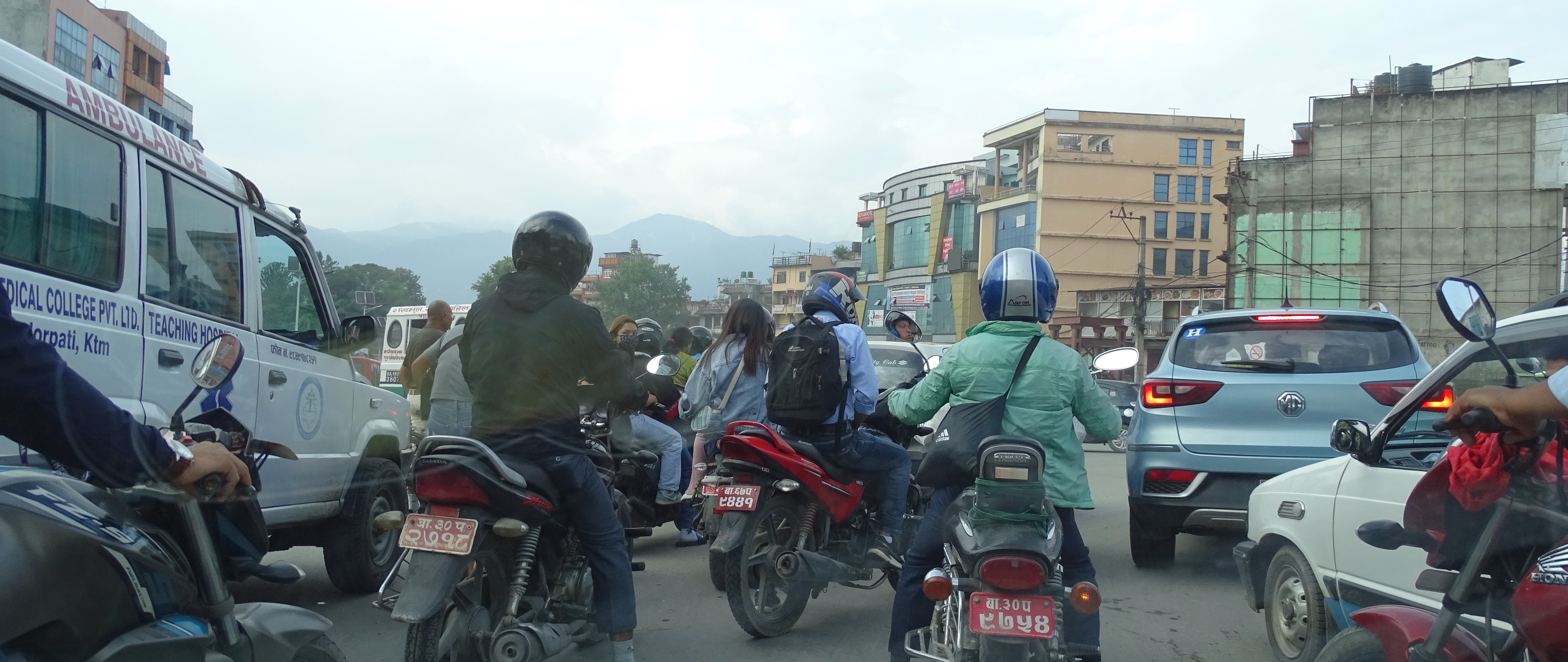
Since I first came to India in late 1979 a lot had changed. The population had tripled. India was no longer a beggar on the international stage, she was an empress again, with an impressive military, a significant software sector, and a huge automobile industry which was no longer restricted to two archaic and inadequate models. The government had eased the insane duties on imported products too, and foreign cars and electronic devices were common.
Smoking was now controlled, on the main roads anyway, people wore helmets on their scooters, at least the drivers did, although the whole family was still allowed to squeeze on if they could. India had become more westernised and modernised although it was still umistakably Hindustan with lively internal rivalries and a glorious, monumental past.

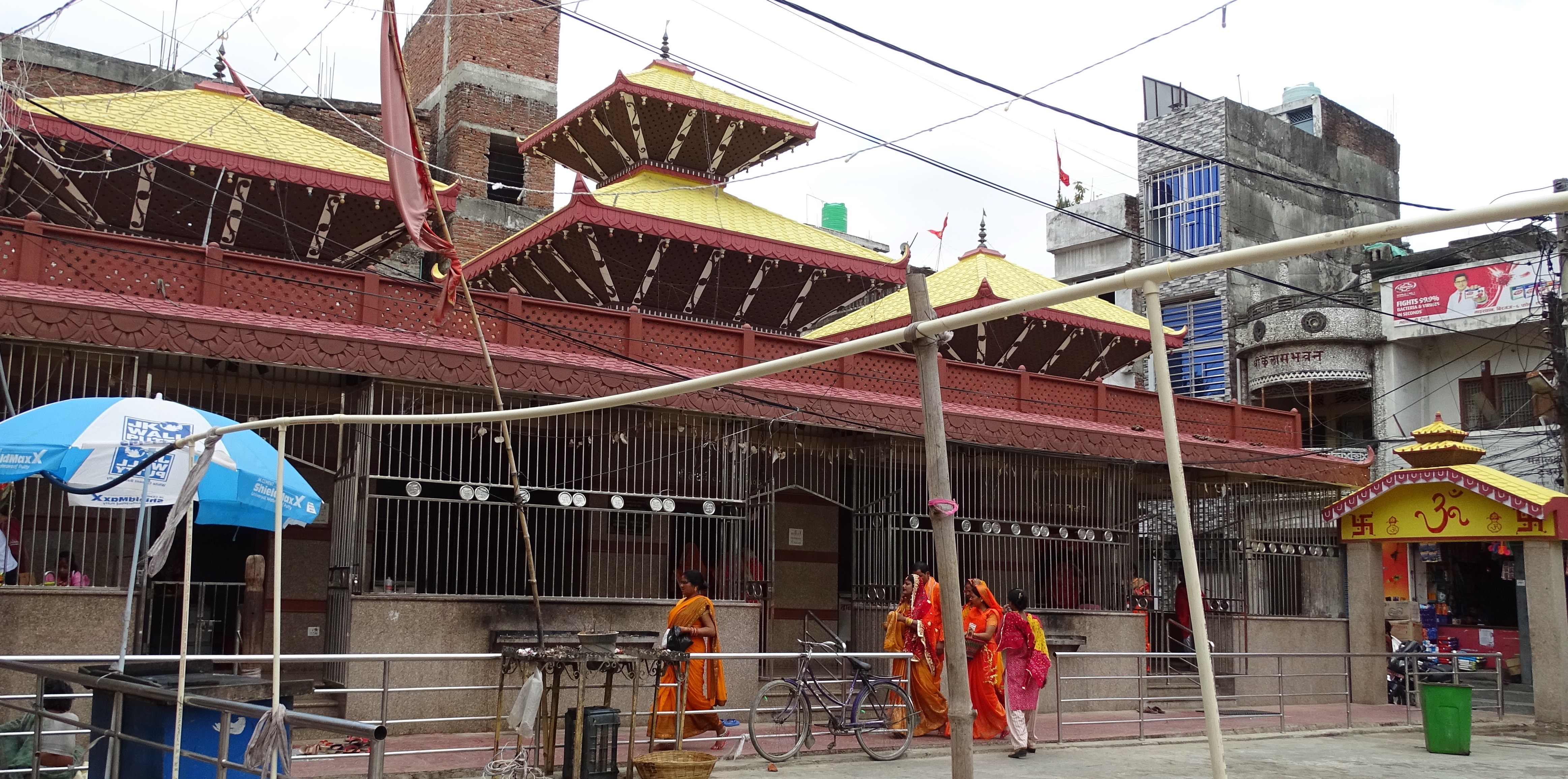
Nepal, on the other hand, was still lagging behind, and I loved it for that reason. It was like stepping back in time to the culture I had found so fascinating in my youth. This was, in a sense, the ‘real India’, although the Nepalese might demur, because of their ancient rivalry. It is rarely mentioned because it is understood. It is the stuff of existence, essential matter, and it had been so for a very long time.
As it often is with neighbours, they are related, similar branches of the same tree, divided by politics. The same religions are there, in different forms, with a variety of idiosyncrasies. Hindus in Nepal are not vegetarians, at all. They also like a drink and produce excellent beers and spirits. This culture extends well into the south-east of India herself, passing by Varanasi and Kolkatta on the way down from the mountains. towards the tropics.
There is a clear and natural division between plains dwellers and mountain people. Things are different in the mountains. Cooperation is essential. You don’t survive without the goodwill of others. The traditional greeting there is “Have you eaten?”. Not that the people are necessarily that poor, but in the mountains you might be trekking between two outposts, you may not have had a chance to eat. And you need to eat because it is strenuous and dangerous walking at those heights.
In Himachal Pradesh in northern India, a few hundred kilometres west of Nepal, the people are closer to Nepalis than to the Indians of the south, and perhaps they are closer to essential spirituality too. Shiva travelled in those mountains. Parvati’s name derives from the word for mountains. The two great mystical figures, Buddha and Shiva, came from the same area and they still have an impact on the people there. Not that all those mountain people are enlightened, but they are often kind, considerate, philosophical and aesthetically minded, in their simple ways. It is not something they learnt in university but in the home, the bazaar and the mandira.
Gautama Buddha was born in present-day Nepal, as the country loudly proclaims in bumper stickers and tourist brochures, although India had claimed him. The world knew no better and little Nepal had no international voice with which to state its case, while India claims the invention of almost everything in existence. The only times Nepal made the news was when a plane went down or a bus crashed into an icy river or a climber was lost in the snow below some barely accessible summit. This had previously been the case for India and still is, to some extent, as colonialism rumbles on like the aftershocks of a powerful tremor.
India, like Australia, became one as a result of colonisation. The English conquerors classified them as nations and all their constituents as one race, even though they all had different languages, cultures, and customs. Nepal formed in the 18th century when the Ghorka kingdom under King Prithvi Narayan Shah expanded with the conquest of the Kathmandu valley, and later a much larger area with the alternate name: Asal Hindustan; meaning ‘the real land of the Hindus’.
The Ghorkas were legendary warriors and they fought several guerilla wars against the English before losing some ground to the well-organised and better equipped forces from the south. Nepal became a British protectorate for a while but never completely lost its independence. It is a difficult task to conquer mountainous regions and many of the great despots of the past, from Alexander the Great to Queen Victoria, have avoided them.
In recent years India has lost its reputation for humility and compassion. New wealth has fueled the rush to riches as the formerly impoverished see a chance to improve their standard of living and there is a new sense of importance and an impatience with others that was definitely not a part pf the old India. Indian tourists in Pokhara can be identified by their noisy, brash behaviour like the infamous American t0urists of the nineteen sixties and seventies. The Chinese are not far behind them, in terms of personality. The Tibetans and Nepalis, and other inhabitants of the Himalayas such as the Bhutanese and north Indians, are keeping the old values alive and it would be a great shame to see them subsumed into a new world of conformism and allegiance to the material gods of warfare and profit. Perhaps these ountain people are the last hope for the preservation of some of the nobler and finer cultures of the past.
 Travels to Nepal