

Mystery
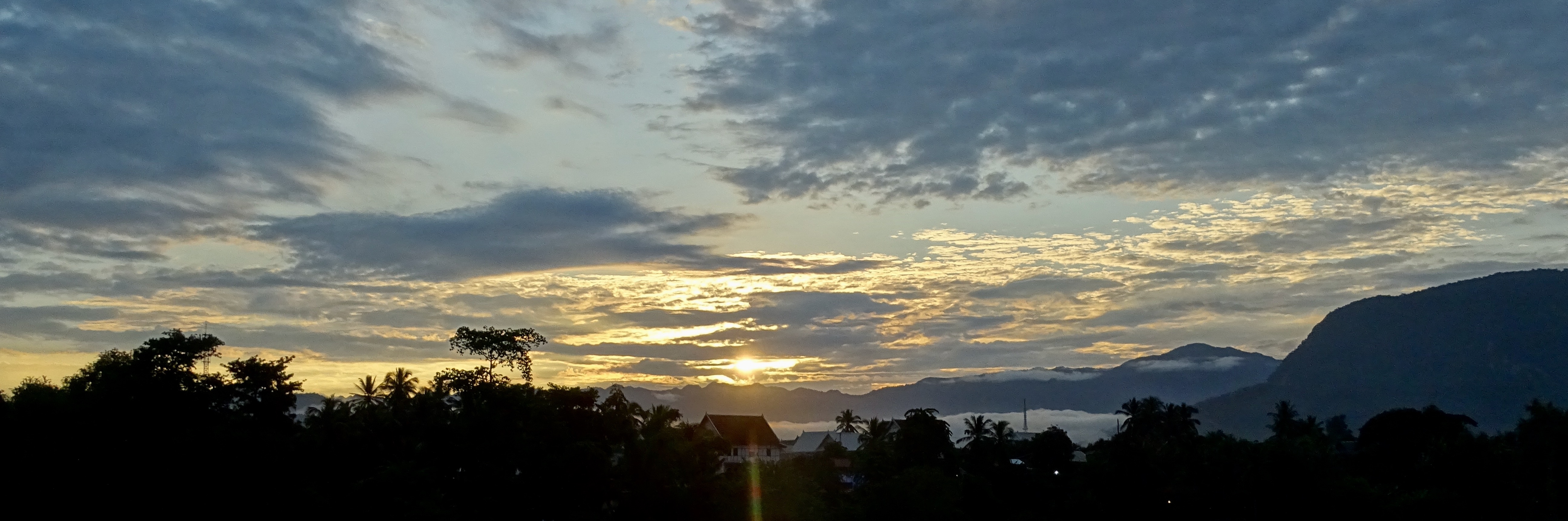
The earth has two primary states: night and day. There are also the two periods of transition between these states, the twilights. As day represents the concious and night the unconcious, twilight represents the gap between these two states. There are also two states of humanity; life and death.
The greatest mysteries concern death initially, and then life. What does it mean to be here for a short time, and then to disappear? What of all the others who have passed away? People want to know what will happen at the end of their lives, what death is, and many religions and spiritual figures claim to know. They gain credibility, and disciples, by explaining about Heaven and Hell, reincarnation, paradise, karma and so on.
Still the question keeps being asked. Every new generation wants to know anew. There doesn’t seem to be a final, definitive answer. Every tradition has a different one. Every sub-tradition and ancient belief system has another one. There are no two the same.
Do you see the problem?
If there was any objective knowledge of what happens at death, many different sources would have come to the same conclusions. Between, say, Lao Tse, Buddha, Jesus, Socrates, Rinzai, Krishnamurti, Osho, and Gurdjieff, for example, there would be some agreement as to what happens, but there isn’t. Each of them has a new idea. This means either that nobody knows or it is a different experience for everyone and, therefore, nobody knows.
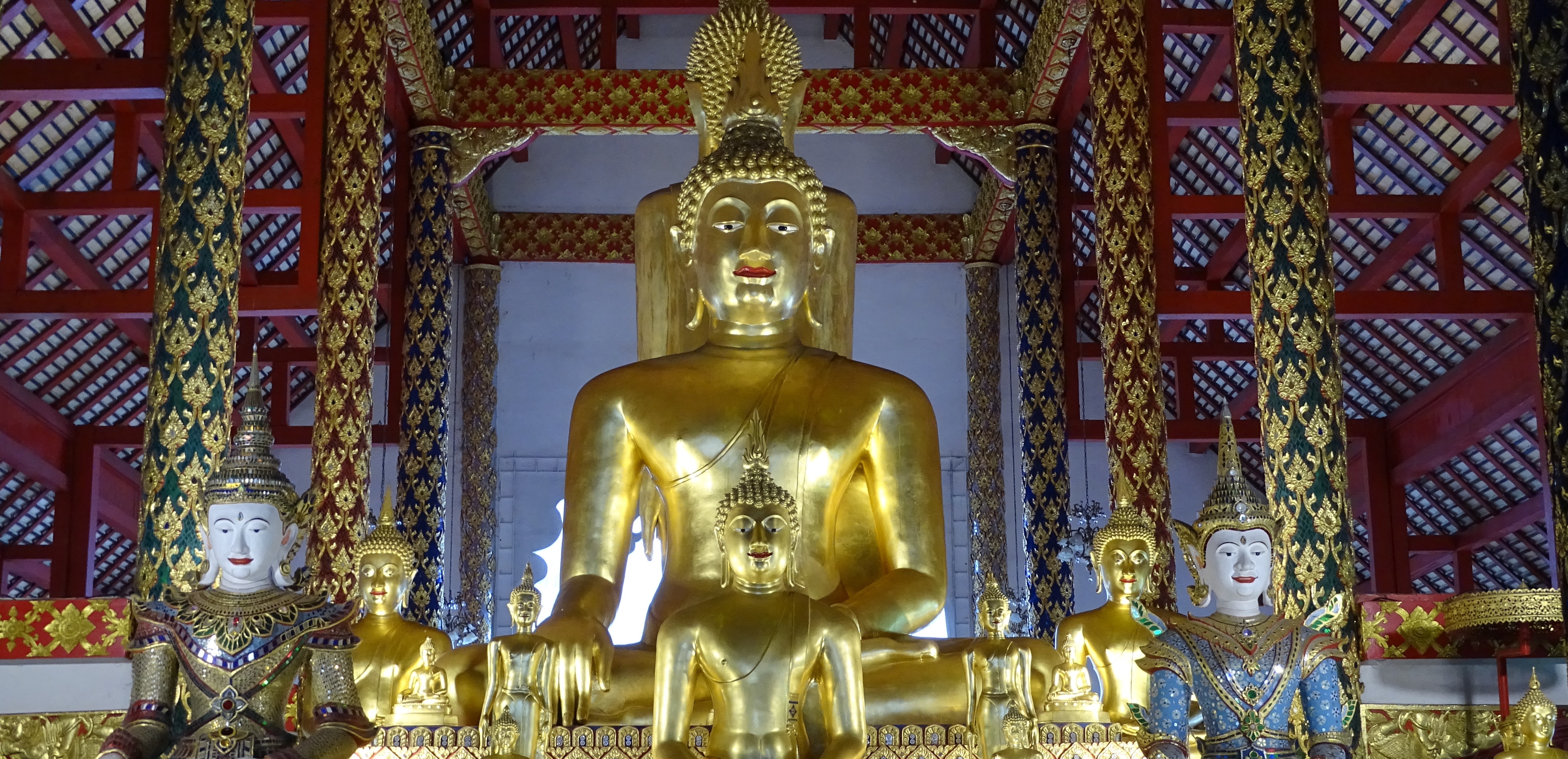
I never saw anything in Lao Tse’s writings about life after death. Or in Tao stories. A Zen master, on being asked the question, replied “I don’t know, I haven’t died yet.” Buddha reflected on his many past lives including one as a rock but refused to answer the question as it was on his banned list. He maintained such questions were ‘wrong’ questions. Osho remembered past lives but that is not uncommon in India. He talked more on the different ideas that came through the great spiritual works of the past. Gurdjieff had a theory that a soul had to be created during this life in order to earn a rebirth. Krishnamurti I’m sure would have none of it, claiming that life and death are fictions.
It is a mystery, and nobody knows.
The Western mind, especially, wants some facts, some evidence, a logical belief system, but every ideology it creates is hopeless and leads to further suffering and confusion. The eastern approach is more vague, poetic, rooted in a natural tradition that the West has rejected.
We call the masters ‘mystics’ because they deal in mysteries, the mysterious, but we want from them explanations of the mysteries, to prove that they are authentic masters. And the masters rise to the occasion, those few with the right temperament, they tease and beckon and hint and imply and lead the disciple into a life of meditation so that you can ‘know for yourself ‘.

I personally heard Osho say in discourse that it didn’t matter, it was irrelevant, but he assured us, speaking from experience, that reincarnation is the reality, until full enlightenment after which there was no more rebirth. So the search for enlightenment is also the road to oblivion, perhaps. Karma is ultimately the unfulfilled desires that persist in normal people. Karma passing between lives depends on the state of awareness at the moments leading to death and the moment of death itself. This is the Hindustani belief. There are regional variations but this is the essence of it and Buddha was also a product of Hinduism. But then Buddha claimed that, although this was his last life, his upper chakras or spiritual bodies would return as Maitreya; The Friend. There are endless variations.
You can’t build a logical system out of Eastern beliefs and traditions because they are more artistic and intuitive than that. They don’t have to make sense either, they just are.
Jesus has a big problem and it is what originally made him famous; the miracles. Miracles are lesser mysteries; they resemble circus tricks but there is a serious distinction. The miracles of Jesus defy nature. That is what makes them miraculous. He walked on water, but you can’t walk on water, it is against the natural order. Jesus is famous for doing that but it is a violation of nature. Where is the achievement? What wisdom does it purvey? What does it say about the great mysteries? Nothing, of course, and what’s more no one believes any more that he actually did any miracles. They think they are stories made up by over-enthusiastic disciples.
At best the miracles imply super-powers and therefore a close relationship with God, somehow. Jesus’ version of the after-life, Heaven, Hell, Purgatory, Satan and the Angels has not been supported by any other traditions apart from the Abrahamic ones which have not been very fertile compared to the Eastern religions; Hinduism, Tantra, Buddhism, Tao, Chang, Zen etc.
The thing about mysteries, their essential quality, is that they remain unknown. If they were known they would no longer be mysteries, they would be scientific information. They would be settled and we wouldn’t need to reflect on them anymore, but that will never happen. Science will never explain or define them. They are eternal and insurmountable. That’s what makes them mysteries.

 Travels to Nepal