

Lakeside
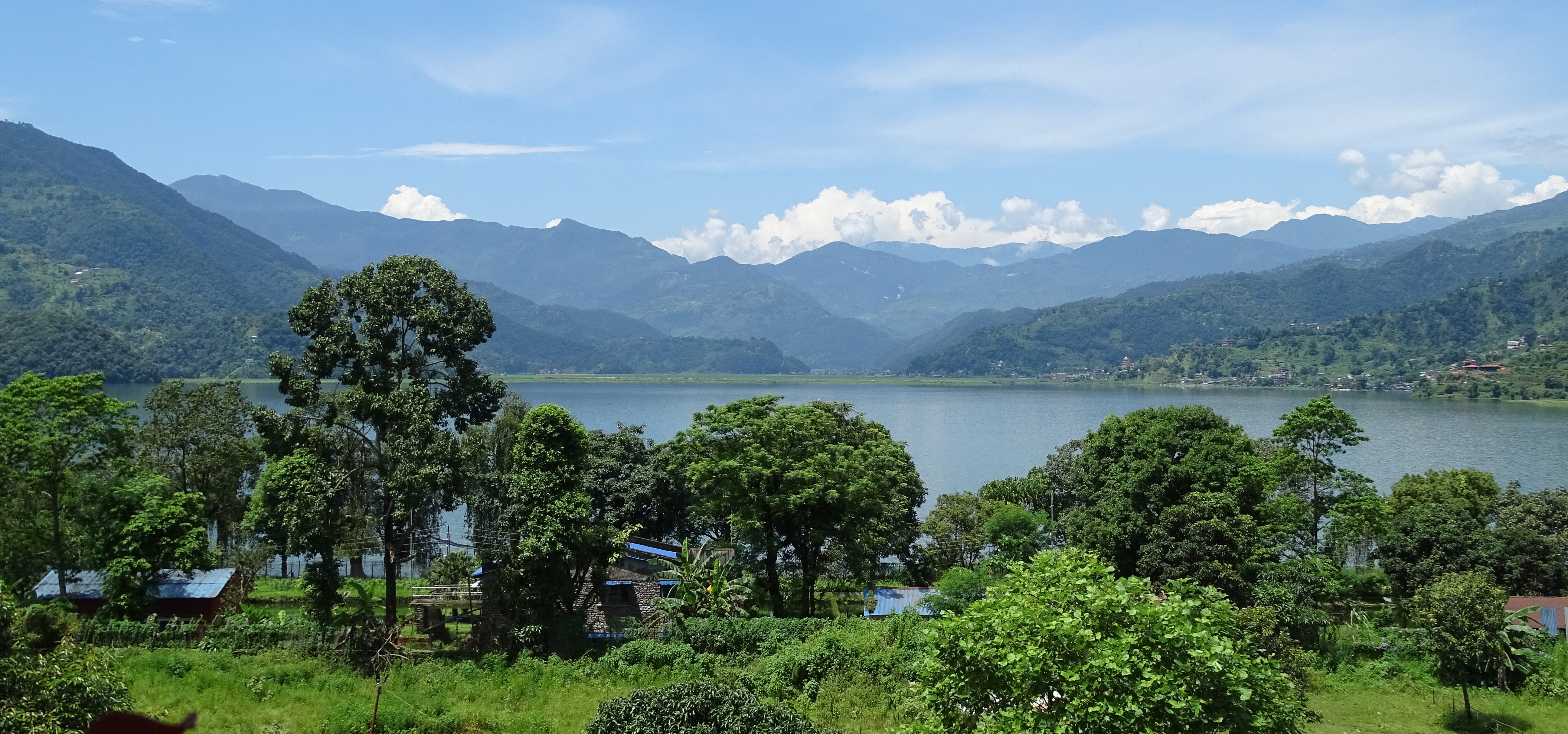
The apartment in Lakeside was the ninth place I had rented since Armidale, just over six weeks ago. For the first time it felt comfortable to leave valuables at home and wander out with just a wallet and phone. I would get a Nepali sim card for the phone and have access to the internet wherever I went. Daily supplies were available in many small shops nearby and it was a pleasant walk in search of them. It felt good just walking the streets and observing the locals and the way they organised themselves and maintained their lives with minimal effort.
People sat at the front of their little stores and watched the street. The atmosphere was languid, casual and friendly, behind the occasional gruff demeanour. The men could be stern and down-to-earth or gregarious and engaging. The women who also varied in their personalities could often be heard laughing together. It was ceertainly a carefree feeling quite different from my experiences at home. They were characters here, you could feel it. These people were coming from a culture of freedom and individuality. That was also reminiscent of the old Sydney and the wild old Australia where people were independent and insisted on having their own philosophies and spiritual conventions. You couldn’t tell anybody anything…they already had it all figured out.
The traffic was sparser then Kathmandu. Pokhara wasn’t a village, it was the second biggest town in Nepal, but it was not a large city either. The land here had been rural twenty years before. Many of the people were from surrounding villages who moved in on the tourist windfall which brought precious cash to this antiquated society which, having grown on self-suffiency, barter and nationalism, found itself left behind in a world which was going to mars and promoting lifestyles a million miles from the icy slopes around us.

As I walked down quiet streets near the lake I saw reams of empty restaurants and cafes, some with dozens of tables. I wondered how their owners were surviving. There were stores, as numerous and varied as Kathmandu’s, with proprietors asleep on chairs or gazing placidly at the passing traffic. Some tried to sell me stuff and I regretted not needing anything, but I often bought useless items anyway. A Tibetan woman, engaging and funny with a good knowledge of English, sat on the main street and sold me many small items which I would pass onto others eventually. I had ribbons and rings and little metal icons which she swore, with a raucous laugh, were rare and precious gems from the distant mountains of Tibet. They were actually made in Nepal and sold at a wholesaler around the corner. In restaurants I was soon friendly with the staff who all knew I was from Australia and made me feel at home the instant I went near them.
There was a playfulness and innocence in a people who had not recently experienced the fear of home invasions or the hostility and violence of disaffected youth as I and many friends had. And yet this was an ancient country, the scene of historical wars and barbarity as powerful men had asserted their sovereignty over hapless populations, but there were no apparent scars.
The traffic was chaotic in calculated way. It was like India and Kathmandu but it went a little further. There were often scooters emerging behind you, on the road or footpath. Vehicles shot off on the wrong side of roundabouts if they found a feasible path to their destination. Horns honked regularly as imminent disasters were nonchalantly avoided at the last moment. The worst thing you could do equivocate and suddenly change direction. This upset the flow and created unpredictability.
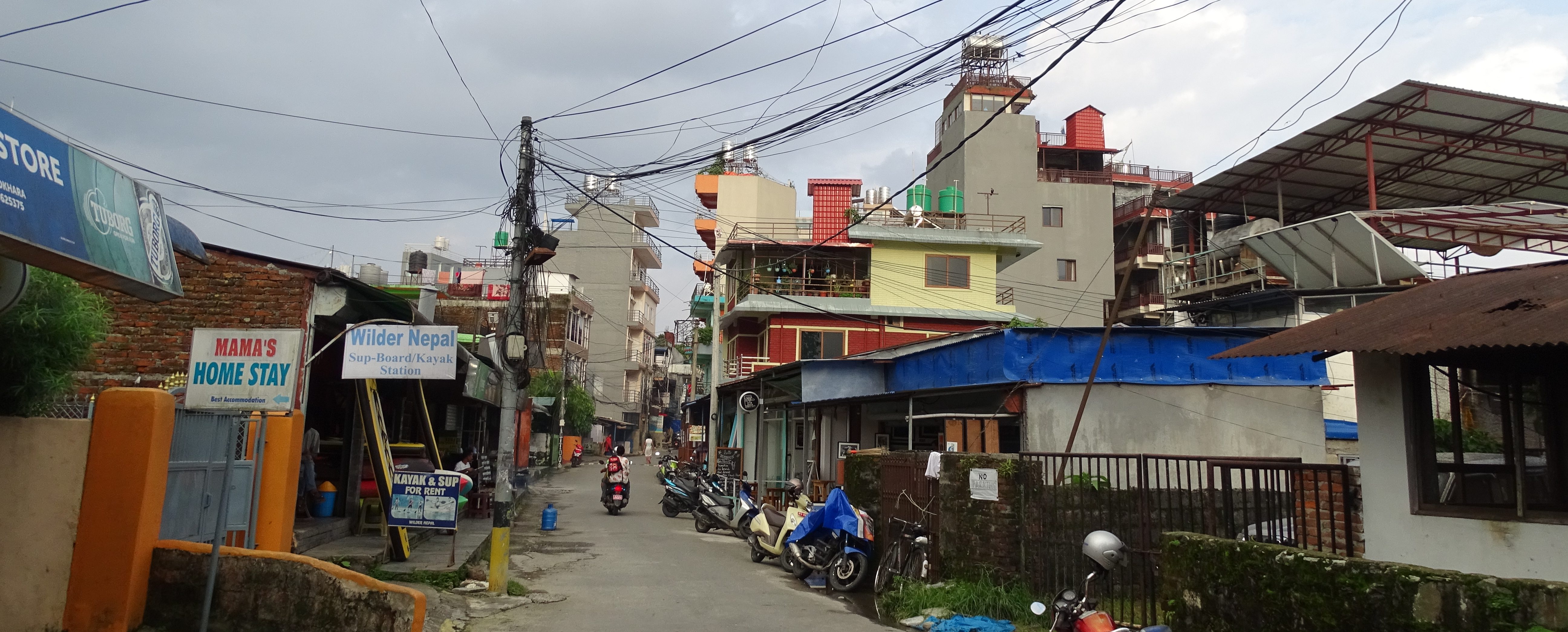
I enquired about the music scene and it became clear that everything was down on the main strip, Baidam Road, which was parallel to the lake and the closest official road to it. Along the shores of Phewa Lake was a promenade known as the ‘foot track’. It would have been a track in the youth of these adults, through lush vegetation down to pristine waters flowing directly from the revered Himalayas. Now the foot track was paved and a row of restaurants, cafes and juice bars had sprung up beside it, in disregard of council regulations, to service the tourists who had ventured from China and India, and, more rarely, the West.
There were many shops selling mountaineering gear. I was certainly beyond the days of entertaining such adventures. Vertigo had overcome me one day in my forties, on a hilltop in a Chilean city when, at a great height, I suddenly became aware of the huge danger below me and the trifling value of the thrill which brought me within moments of mortality and my body froze and nausea overcame me and wide-eyed struggling for breath I inched towards safety which had never concerned me too much, until that exact moment. It was totally unexpected and it was final. I would never take those sort of risks again.
It was mid-July, early in the monsoon, alternatively hot and wet. If it didn’t rain for a few days it was uncomfortable but not extreme like Bihar or Mumbai. It was just about liveable for me and I no longer needed air conditioning. A cool shower and a seat on the balcony were enough to recover from a sweaty excursion.

Sometimes I was asked about other tourists, whether more people would be coming, and I didn’t know. The fact that I was there did not indicate that anyone else would arrive. More likely it was a bad omen for tourism but I found that hard to explain. Although many Nepalis spoke some English it was not possible for me to convey complex concepts without any knowledge of the local language, which was something I would have to tackle, sooner or later.
Apart from a few brief periods in my life I had rarely been in harmony with my compatriots, but I found very late in life that I had all along been suffering from an undiagnosed condition – rosacea – which caused massive social problems and had me convinced that I had some psychological illness which would condemn me to a life of anti-social awkwardness but it was a physical disease which I only discovered when I reached the rare fourth stage when the nose begins growing in grotesque ways. I managed it fairly well but I still had a big red nose which occasionally caused younger tourists to erupt in laughter which they quickly suppressed. I suppose I was a sight, and I can’t blame them, but I was glad that Asians were a lot more forgiving and compassionate about such things. I reminded them, Nepalis often told me, of a grandfather, and I was happy with that.
 Travels to Nepal