

Ho Chi Minh City

In the mornings I sat on the balcony with a coffee and watched the street awakening. Nothing much happened early. A garbage truck meandered down the lane, people came out sleepily with plastic bags which they threw in the back or handed to an attendant who quietly maintained order. Shopkeepers greeted each other, swept the pavements and prepared for a leisurely day, waiting for rain.
Quan Seven felt homely and relaxed. The heat was stifling sometimes but the cool apartment was the ideal refuge in the hot afternoons. I had my apartment’s address written in ink on paper that I carried with me as well as marked in my phone in the maps app but I was still wary about straying too far from home in the first couple of days. I needed to get a feel of the place, a sense of direction and an idea of how I could communicate with the locals. Most had some English and were generally friendly and patient, for which I was immensely grateful.
The second afternoon while relaxing on my balcony I noticed a worker on top of the building across the road. He was about four storeys up and he was rigging something up. He was in a humorous mood and was joking with a bystander as he tied a rope to one narrow railing and then another. He tied a small board, about the size of a bread board, to the end of the rope, lowered it over the side and climbed the railing around the rooftop. I was transfixed. I realised in horror that he was going to lower himself down the side of the building to do some maintenance. The little board was his seat and he was shoeless as he negotiated the steep wall.
I have a fear of heights due, I think, to old age and the fact that I have lived in a lot of low flat places, but I had improved a little after taking many photos and videos of waterfalls around Armidale from viewing platforms which were suspended precariously over precipitous slopes, but I was not prepared for this. I couldn’t watch. I thought of filming him but decided it wasn’t worth it. I also avoid horror movies and abhor suspense.
I had mapped out a path forward, applying for a one month Indian visa and a longer Nepali one, extendable to five months. That would give me time to get a feel for the place and decide if I wanted to stay there. As I received notifications that my visas had been granted I gained confidence that things were going to run pretty smoothly.
There were so many details I had to look after to ensure the success of my journey. My Nepali backpack from Armidale contained my passport, a few thousand Australian dollars, a copy of my visa, a wallet with cards and local currency and my mobile phone. I couldn’t afford to lose any of them. I had a long checklist of items, including my teeth, which I had to be sure I had with me whenever I moved, and I would be moving often. It seemed a good idea to carry my valuables with me while I gained trust in the security of my hotel room.
I had read up on international travel conditions. There was some chaotic behaviour at the airports. Luggage was getting lost, flights cancelled suddenly, or over-booked, leaving passengers behind. I had resolved to take only direct flights, guaranteeing that my luggage would arrive at the same place and the same time as me. I didn’t want to lose anything. I did everything by the book, complying with a myriad national, state, custom and airline regulations. None of it was too difficult or expensive.
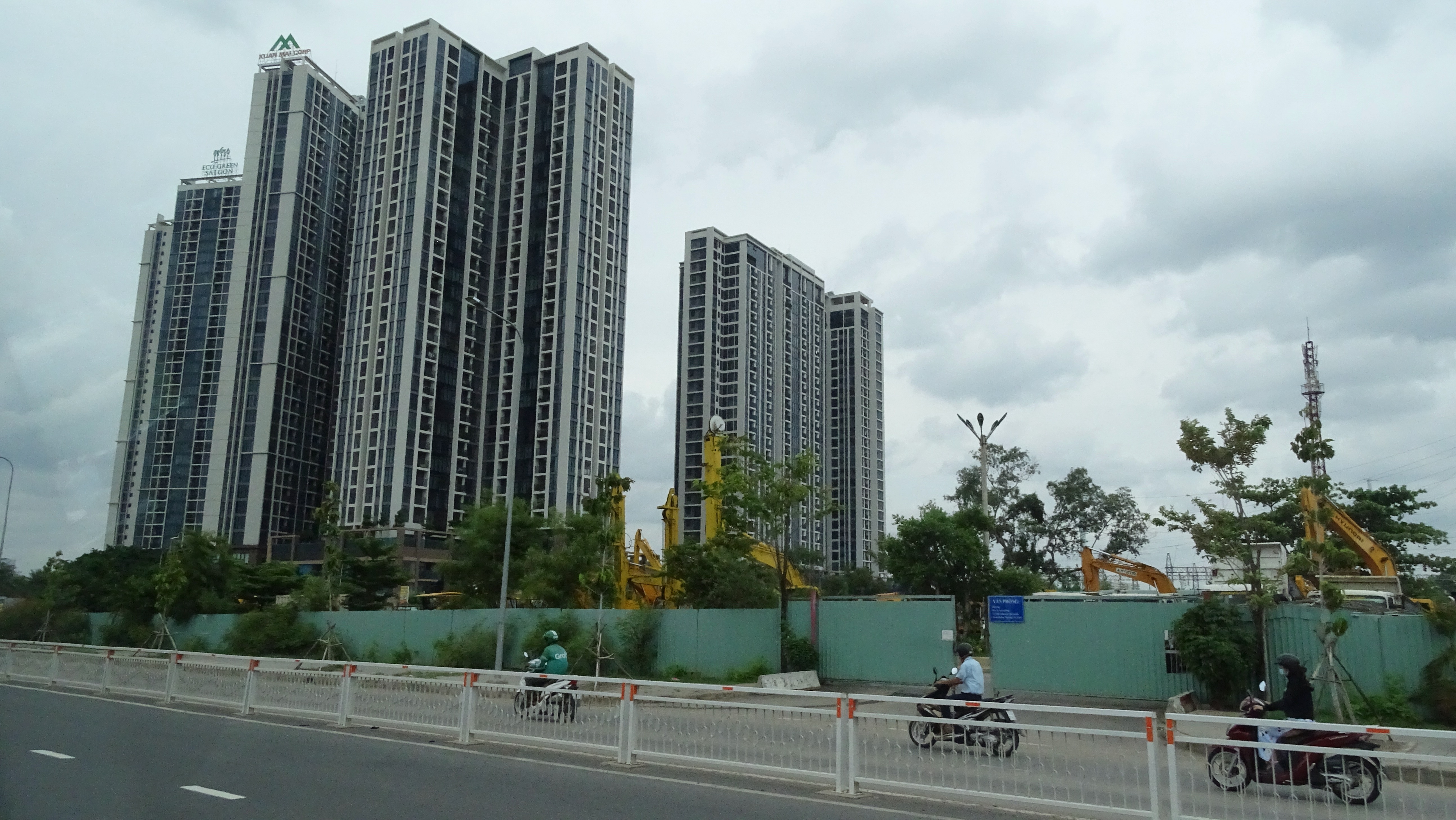
The wide streets of Quan Seven’s main roads were lined with elegant buildings. Frequent smaller lanes adjoining them created a huge grid which meant there were always several ways to get to your destination. Between the lanes were small leafy parks with winding stepping stone paths. People were lounging around on chairs taking a break or waiting for someone, chatting and laughing. In the evening there were abundant facilities for them to gather to sip tea and play board games.
Supermarkets were small places, about the size of a grocery store in Australia, with a limited stock of essentials, but they were numerous and varied slightly in the range of goods they offered. There were small pharmacies on every block where the assistants had good medical knowledge and advised on the choice of medicine, or sent you off to find it in another store nearby.
There was a range of restaurants from the poorer, older places with tiny kitchens and basic furniture to large, multi-storied, immaculate establishments with fountains, pianos, large windows and comfortably padded chairs.
The traffic was mainly two-wheeled but there were many cars, even a few distinctively luxurious models, and the occasional bus. There was no train network that I noticed. There was the usual Asian challenge of crossing the road without regulated pedestrian crossings. You had to somehow walk between moving vehicles in such a way that everyone kept going and no one got run over. The locals never seem hurried as they nonchalantly ambled around, barely bothering to look at the on-coming traffic which seemed honour bound to avoid them.

I tipped everybody regardless of circumstances. Everything was so cheap I coud easily afford to add ten per cent and I enjoyed the happiness and often surprise of the recipients; cab drivers and waitresses, mostly. I had gone to India at the age of twenty-four years with no money and lived there for three years. I grew up there in many ways, enjoying the boundless generosity of those humble people, and now I had enough money to show the same spirit, especially to the poor. It didn’t cost much and it made us all happy.
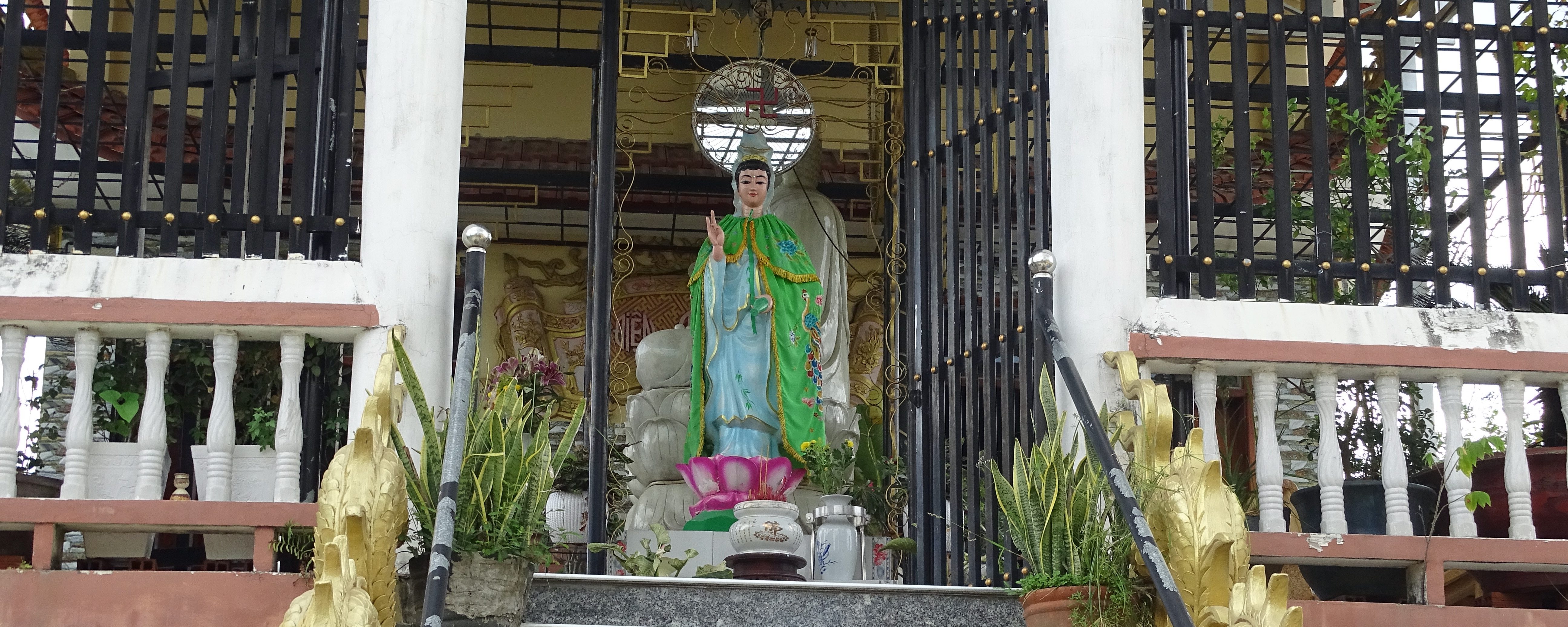
While I was in Asia I especially wanted to visit temples and take a lot of photos. Scanning online maps and travel guides I came up with a few names; the centrally located Giac Lam Pagoda, Bat Buu Phat Dai – the Temple of the Lonely Buddha, Xa Loi and Hoang Phap. Here they called them pagodas.
Despite the heat and humidity I tried to venture out at least once a day, to visit a temple, a post office, customs house, or a bazaar. And of course I had to eat and drink good coffee. There were ample restaurants and cafes within a short walk from the apartment. Many had pianos and I was tempted to play, but didn’t.
The popular musical style was minimal and melodic with simple, easy harmonies and no modulation. There was no sign of virtuosity or even great skill. The tempo was relaxed, almost melancholic. Some of the tunes were old classics from the west, going as far back as Elvis Presley, while others were modern, oriental ones. They were sing-songy and lacked the fine, virtuosic complexity of Indian music, but they had their charm.
 Travels to Nepal